Dealerships are radically changing. This shift, set in motion long before the pandemic, was only accelerated by global shutdowns, supply shortages, and the evolving demands of customers.
Today, there are more showrooms than ever before, and dealership advertising budgets are at an all-time high. We are seeing a departure from the long-standing stability that characterized the dealership model for over a century, as online shopping becomes more seamless and the direct-to-consumer sales model challenges traditional dealership norms.
Amidst the chaos, a familiar business adage holds true: some players exit the game, while others solidify their position and thrive. Currently, we’re seeing this with a greater number of dealerships, yet fewer entities owning them.
Year over year, an increasing number of single-point or small dealership groups are being acquired by bigger players in the industry. Whereas dealerships of the past were predominantly local businesses, today, growing conglomerates manage dozens of dealerships spanning multiple states and brands. And experts say this trend is unlikely to cool anytime soon.
As of now, the top 150 dealership groups manage around 4,138 locations in the U.S., according to reports from the Automotive News Research & Data Center. Together, they make nearly 25 percent of all industry sales. However, these statistics are likely to be even higher in reality, considering not all groups report their data or report intermittently.
As a dealer of any size, it’s pertinent to be asking: How does this wave of consolidation affect the future of single-point dealerships or small groups operating in lower-profit markets? And what implications does it hold for the industry as a whole?
What’s happening
The reasons why consolidation is happening extend beyond the notion that it is simply a natural progression in a maturing sector. While it is true that most industries experience consolidation as they evolve, the rate at which it is occurring and the “why now” can be explained by several key factors.
Most glaringly is the global push towards electric fleets, which is forcing dealers to modify their business model. Some dealers may resist the changes and investment required in terms of electric vehicles and digital sales. For instance, General Motors recently reported that 20 percent of Cadillac dealers had accepted a buyout rather than following the brand into an EV-only sales model.
Similarly, Ford reportedly offered its dealer the option to become “EV-certified” with programs ranging in cost from $500,000 to $1.2 million. About 35 percent opted out of selling EVs altogether.
For smaller dealers, the upfront capital required for EV integration may prove financially unfeasible. And for franchises operating across multiple states, the investment is substantial and uncertain.
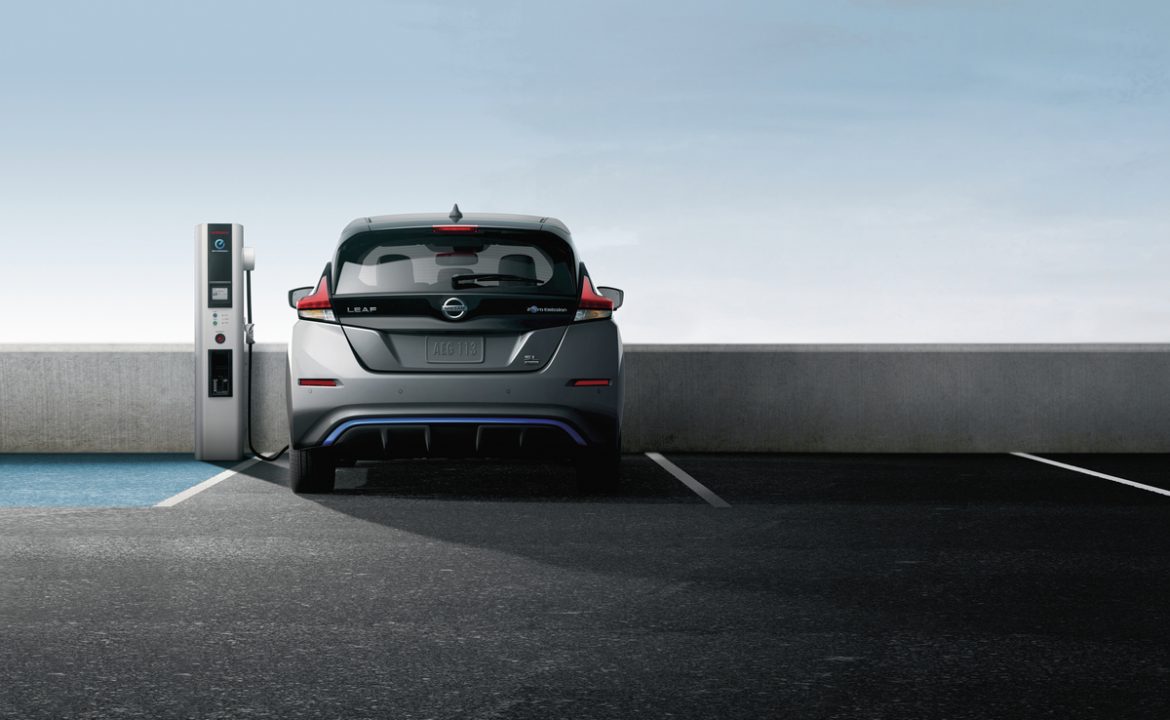
Furthermore, the push for EVs places additional demands on dealer networks through unfunded mandates imposed by manufacturers. Some automakers expect dealerships to serve as public charging stations, which would require dealers to collaborate with local power companies to determine electricity requirements and navigate the complexities of city planning and construction. Implementation often involves disruptive work, such as lengthy closures of parking lots and public roads, which interrupts the business flow and potentially decreases profits for months.
Besides the operational challenges, the costs associated with such infrastructure investments can be steep. For automotive groups with multiple brands, the varying standards and requirements add another layer of intricacy. Consider a few (or a dozen) showrooms, and some dealers are expected to invest millions in installing charges that may have uncertain future returns.
As a result, dealerships are presented with two options: put up the capital now for uncertain returns in the future, or save themselves the headache and retire.
The latter can be especially attractive to struggling dealers who are concerned they’ll be unable to compete with the bigger players. Some worry about direct-to-consumer models and other potential changes that could diminish the value of their businesses.
Add in the fact that many local dealership tycoons are nearing retirement; the choice seems even easier. The CEO of National Business Brokers, Brady Schmidt, recently told Auto Dealer Today that “the average age of single rooftop dealership owners is 72 years old.” Rather than make an investment that’s expected to take years to prove profitable (if that can be guaranteed at all), it simply makes more sense to exit.
Consolidation has also accelerated over the last few years due to pandemic restrictions making tough times for smaller dealerships. When the economy struggles, it causes some to bust and grants larger entities with enough capital the confidence to buy up businesses at a discount and reap the rewards when the economy eventually recovers.
And when one big player starts to move, other large groups jump into action to protect their position and market share. Such is the nature of business – progress always because if you aren’t growing, someone else will overtake you.
At the time when Lithia was the third-largest automotive retailer in the U.S., their CEO, Bryan DeBoer, told the Wall Street Journal that his company’s goal was to own a dealership within 100 miles of every American car shopper. As of last month, they are now the number-one dealership group, surpassing AutoNation’s long-standing reign.
Further evidence of the accelerating auto industry consolidation is clear when looking at Automotive News’ updated group rankings, with many companies on the list hitting new milestones. (Note: It is worth emphasizing that inclusion in the top 150 is not solely based on the number of showrooms a company owns. For example, the David Wilson Automotive Group holds the 11th rank with just 16 dealerships across the West Coast, while the trailing group, Serra Automotive, operates across 57 locations. It is this foresight and positioning in areas of high growth prospects that ultimately shape the success and ranking of dealership groups.)
Lastly, a harsh reality to answer “why now” when it comes to automotive consolidation is the high operating costs. The cost of real estate has doubled in many areas. Everything from rent to utilities to team costs and even office furniture has increased in price, leaving some dealers without the capital needed to run their businesses. Rather than struggle, some dealers choose to exit while they’re still doing well and have the opportunity to capitalize on their current position.
I’ve heard some professionals use the saying, “Get big or get out,” – but is there a place for small-to-medium-size dealers? What does the future hold for those who are content leading in only a handful of markets?
The future of dealers
There are clear incentives for expanding a business to multiple locations or markets, such as portfolio diversification and a greater market presence. Expansion also paves the way for attracting skilled talent, which leads to higher profitability and opens doors to corporate deals with automakers that may not be available to smaller dealers.
But does the saying “more money, more problems” bear truth here?
Larger entities face their own challenges as they grow in size. Notably, the dynamic between customers and team members changes drastically, often leading to a sense of depersonalization. This is when the corporate cliche “everyone is just a number” comes into play.
Smaller dealers, on the other hand, have the ability to build teams and finetune their processes in a more personalized manner. This has a profound impact on work culture, public perception, community involvement, and, ultimately, profits. Additionally, as a dealer, you can represent your dealership, which may not be possible for publicly traded companies or groups of a certain size.
The struggle, of course, is that prominent dealerships can wield their influence and capital to stock better vehicles and sell them at lower prices, consequently outpacing their smaller-scale competitors in terms of profitability.
Can smaller dealers keep up?
Dealers that prioritize their customers will consistently generate value. However, the true test lies in preserving that value by ensuring long-term sustainability. If a dealer cannot leverage expenses like retaining talent and inflated marketing costs, it will ultimately undermine the profitability of their business.
At the end of the day, our industry is still highly fragmented compared to other industries. The Top 150 may control 25 percent of sales, but consider the Top 5 supermarket chains, which control approximately 40 percent of grocery sales. Or the Top 5 fast food chains, which collectively control 50 percent of the market share.
The growing consolidation isn’t limited to dealers themselves, but the auto industry is undergoing it as a whole. McKinsey recently published a report on what to expect for the next 5 to 10 years for part suppliers, aftermarket distributors, and more. Without a doubt, the challenges presented in the auto world will affect professionals across the board.
With the bar being continually raised in our industry, your choices are simple: get big, get out, or – I’d like to add a third option – get smart.